
Published: Friday, 23 October 2026
By Sensei Rebecca Kane, World Champion and Head of Weapons Training for the UK and Europe
Thinking about trying kickboxing in Huddersfield or elsewhere in Yorkshire? You don’t need to be fit, flexible or fearless before your first session. Here’s what adult kickboxing classes are really like, and how you can take that first step this week.
Why more adults are giving kickboxing a go
There isn’t one reason adults are choosing kickboxing training. For many people, it’s a chance to get active without repeating the same gym routine. For others, it’s about learning practical skills, building confidence or finding a friendly group to train with each week.
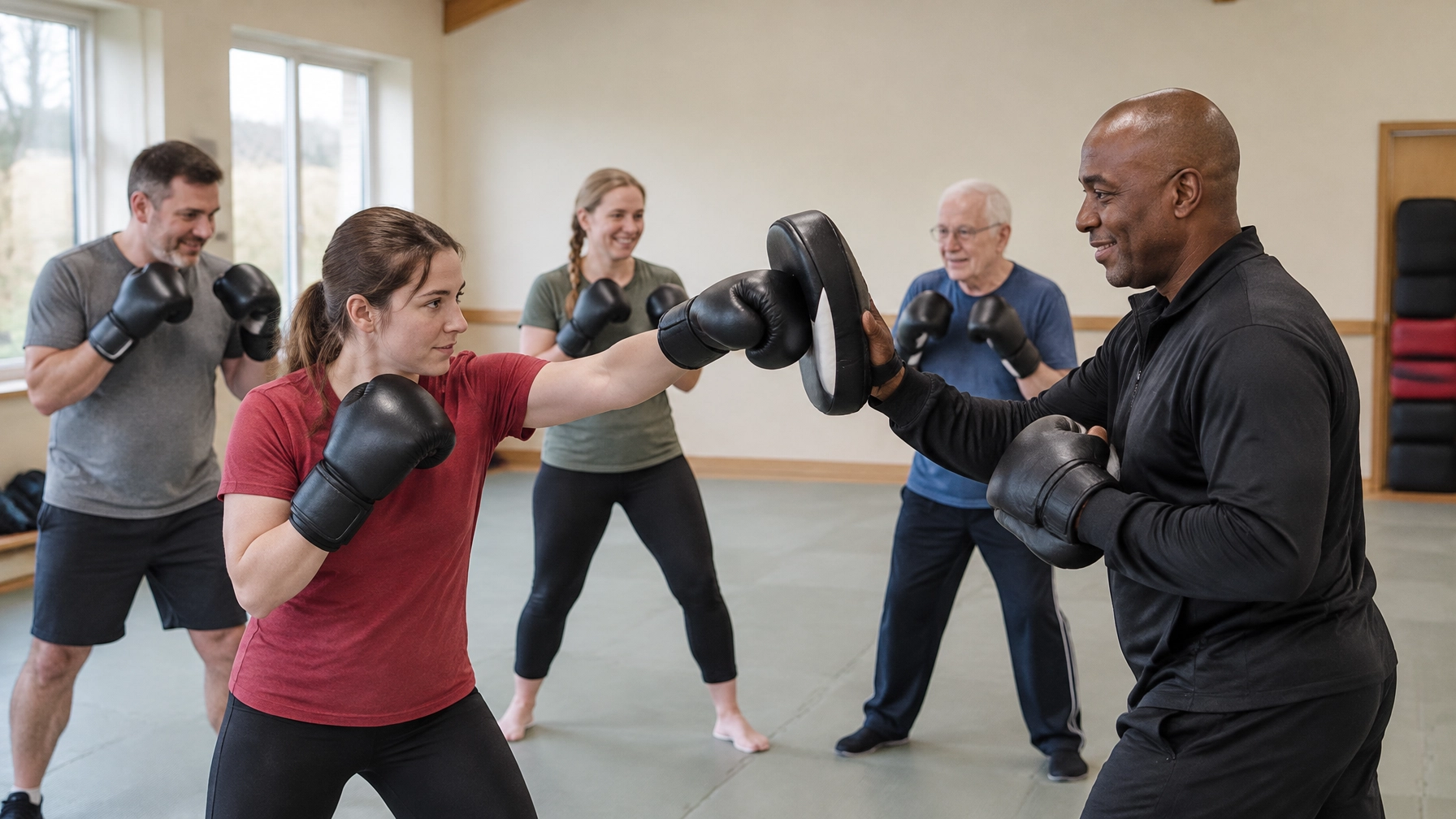
A class gives you several things at once: movement, coordination, focus and the satisfaction of learning something new. You practise techniques, work with pads and gradually get more comfortable moving your body. The session has a purpose beyond simply counting minutes on a treadmill, and you share it with other people who are learning too.
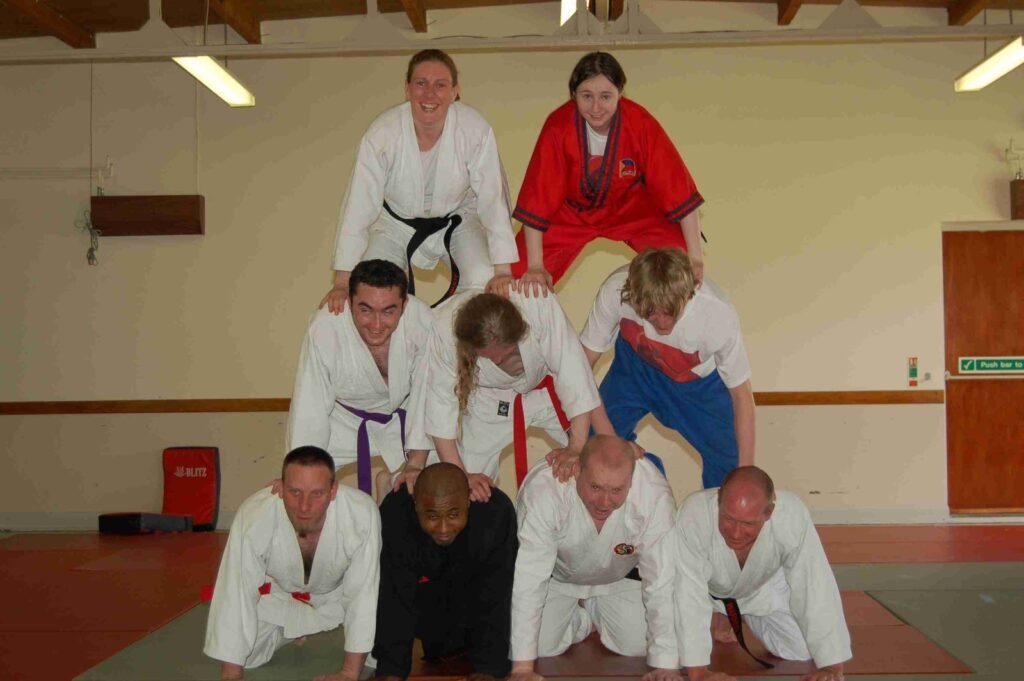
That community matters. You don’t have to arrive knowing anyone or knowing what to do. You can learn alongside other beginners, support each other through the awkward first attempts and enjoy those small wins: remembering a combination, feeling steadier on your feet or finishing a class you weren’t sure you could manage.
There is also evidence that kickboxing can help build fitness. A small five-week training study found improvements in several measures of physical fitness among participants. Your own experience will depend on your starting point and how you train, but you don’t have to be in shape before you begin. Fitness is something you build through training, not an entry requirement.
What you can gain beyond a workout
Kickboxing is physical, but it asks you to pay attention too. You learn to coordinate your hands and feet, listen for instructions and respond to a partner or coach. As the movements become familiar, that focus can make training feel absorbing rather than like another chore on your to-do list.
You can also gain confidence through practice. Learning to hold a steady stance, set a clear boundary and stay calmer when you feel pressure can help you feel more capable in everyday life. Self-defence isn’t about looking for a fight or believing that training makes you invulnerable. It’s about building awareness, confidence and practical options, including using your voice, creating space and getting away when you can.
As the evenings grow darker in autumn and winter, it’s understandable if you’re thinking more about walking home or getting to your car after work. A class can give you a supportive place to practise awareness and self-defence skills. It can’t guarantee your safety, but you can build confidence in how you carry yourself and respond.
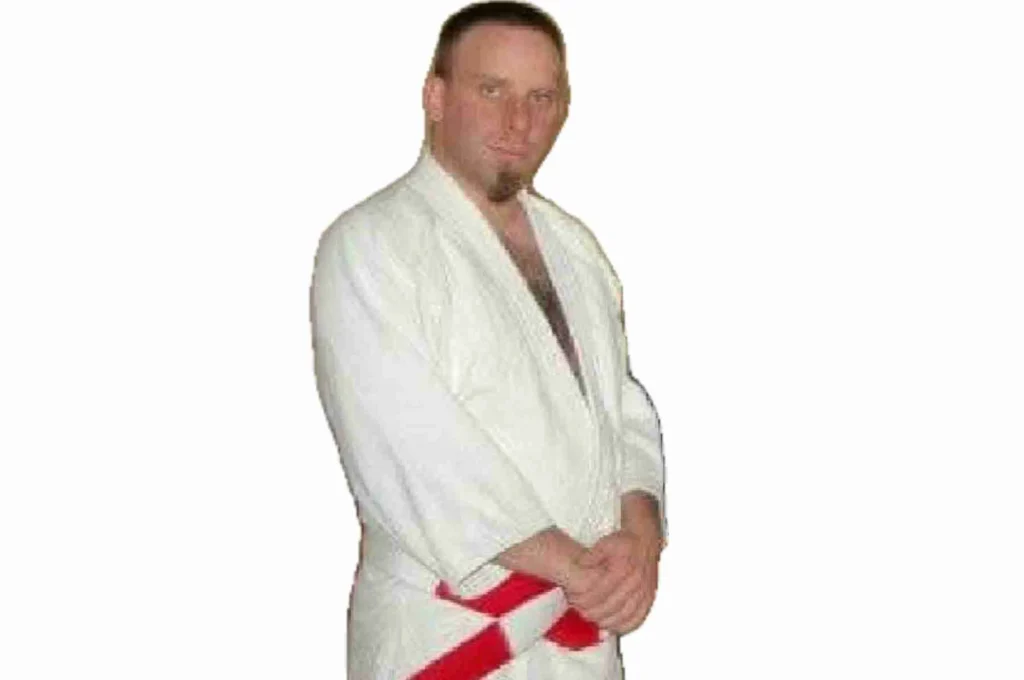
At the British Kempo Society, adult kickboxing sits alongside ju jitsu and kempo self-defence. You can explore different kinds of martial arts training and ask which session best fits your interests. The Society’s About page explains its focus on inclusion, tradition and helping students grow.
What happens in a kickboxing class for beginners?
Your first session should be about learning the basics at a comfortable pace, not proving yourself. A typical beginner-friendly class may include:
- A warm-up: Gentle movement to get your body ready. You can take breaks and work at your own pace.
- Technique practice: Your instructor shows you simple movements, such as how to stand, move and strike with control.
- Partner drills and pads: You may practise a technique with a partner or hit pads held by someone else. The focus is on learning and control.
- Conditioning: Short, manageable exercises help you build strength and stamina over time. You can adapt the effort to suit you.
- A cool down: Time to slow down, catch your breath and finish the session.
You won’t be expected to spar on day one. If you’re unsure what an exercise involves, ask. A good first class gives you room to listen, try things and find your feet.
“I’m too old, too unfit or not flexible enough”
These are common worries, and you don’t need to wait until they disappear before you start. Adults of different ages, sizes and fitness levels take up martial arts. You can work within your current ability and build gradually. Tell the instructor if you have an injury, health concern or movement you need to adapt.
“I’ll be the only beginner.” It’s normal to feel self-conscious walking into a new group. Let the instructor know it’s your first session so they can help you settle in. Everyone has had a first class, and the community is there to help you learn, not to judge how quickly you pick things up.
“Will I have to fight someone?” No. A beginners’ class is not a fight. You can practise basics and pad work without taking part in sparring. If you have questions about what a session includes, ask before you book.
Your first session: keep it simple
You don’t need to buy specialist kit or prepare with a week of workouts. For your first visit:
- Wear comfortable clothes that let you move.
- Bring a bottle of water.
- Arrive with enough time to say hello.
- Tell the instructor, “This is my first session.”
- Ask if you’re not sure what to do, and take a break when you need one.
That’s enough. You can find out what equipment you might need later, once you’ve had a chance to see whether you enjoy the class.
Meet the people behind the training
At the Society, Shihan Ben Ledwick is Head of Kempo Ju Jitsu and a key founder of the organisation. His leadership is part of a wider community of instructors and martial artists who share their knowledge across the Society.
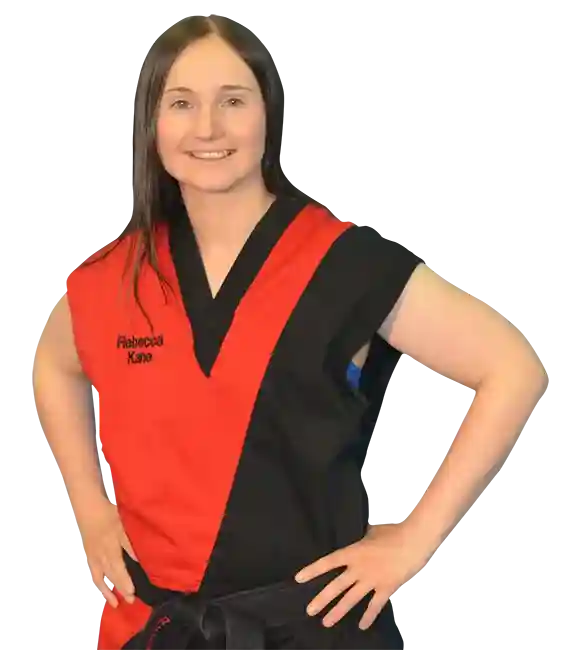
I’m Rebecca Kane, a World Champion and Head of Weapons Training for the UK and Europe. I offer online and in-person training, with a focus on helping people develop confidence and resilience. Whether you’re brand new or have trained before, the important thing is finding a supportive way to begin.
Ready to start this week?
You don’t have to feel fit, flexible or confident first. You only need to be willing to try one session. If you’re in Huddersfield or elsewhere in Yorkshire, contact the British Kempo Society to ask about current adult kickboxing, ju jitsu and kempo self-defence options, and arrange your first class.
Come as you are, bring water and let your instructor know you’re new. You’ll be learning alongside a community of people who are all working on their own progress.
For training news and Society updates, subscribe to the British Kempo Society network. Book your first class, meet the community and take the first step this week.