
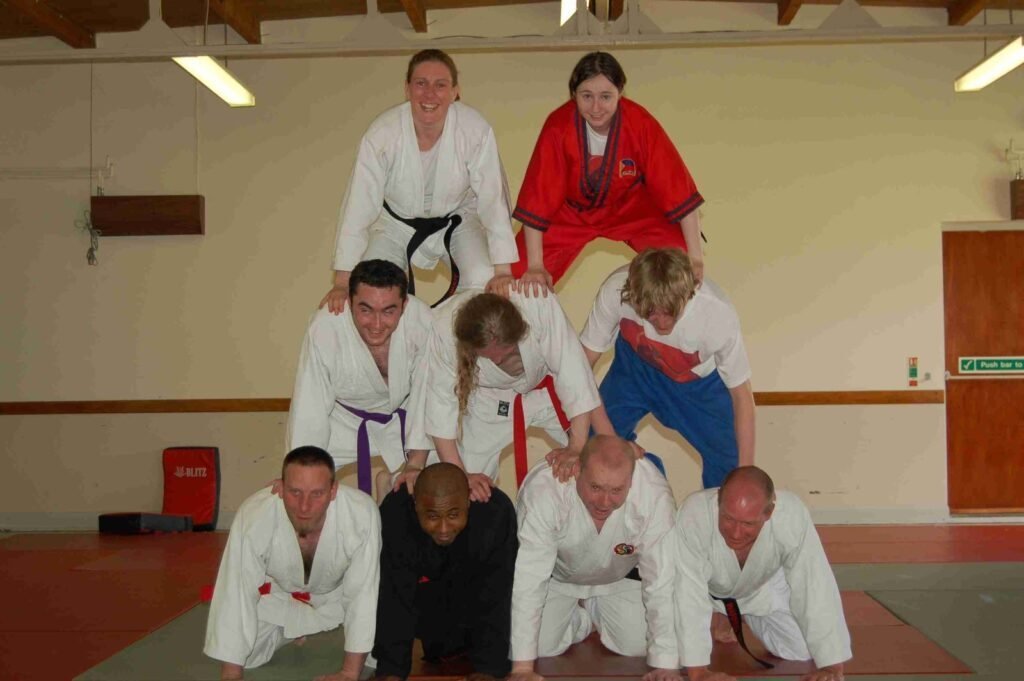
What does martial arts training really feel like when you are a complete beginner? Over six weeks, you may notice more than improved fitness. You may feel calmer, more confident and more aware of how to keep yourself safe.
Written by Sensei Rebecca Kane | 6 October 2026
Starting martial arts can feel like a big decision. You may wonder whether you are fit enough, coordinated enough or experienced enough to join a class.
The honest answer is simple: you do not need to be any of those things before you begin.
At the British Kempo Society, beginners learn step by step in a supportive community. Whether you are interested in Kempo Ju Jitsu, practical self-defence, kickboxing training or martial arts for your child, the first six weeks are about building good habits, not trying to become an expert overnight.
What happens in your first six weeks?
Every student progresses differently, but a regular training routine often brings noticeable changes in how you move, think and feel.
You will learn basic strikes, blocks, footwork and partner exercises. You may also practise simple escapes, controlled grappling movements and awareness drills. Sessions are structured so that you can learn safely, ask questions and build confidence at your own pace.
The first six weeks are not about proving yourself. They are about discovering what you can do.
Week one: Finding your feet
Your first class may feel unfamiliar. You might not know where to stand, how to hold your hands or what some of the terminology means.
That is completely normal.
A beginner session usually starts with a warm-up, movement exercises and simple techniques. Your instructor will demonstrate each activity clearly, then give you time to practise with a partner.
You will probably concentrate hard. You may forget a step or move more slowly than the experienced students. That is part of learning. In a friendly club, people understand that everyone was new once.
By the end of your first session, you may already feel a sense of achievement. You came through the door, tried something different and took the first step.
Weeks two and three: Learning to move with purpose
As the basic movements become more familiar, training starts to feel more natural.
You may work on combinations involving punches, kicks and blocks. This is where the kickboxing side of training can add energy and variety. Pad work helps you practise technique, timing and movement without needing to spar.
For people searching online for beginners kickboxing or a kickboxing class for beginners, this type of structured training can be an approachable place to start. You do not need previous experience, and you do not need to arrive in peak condition.
You will also begin to see how Kempo Ju Jitsu brings together striking and grappling. One moment you may be practising movement and distance; the next, you may be learning how to respond safely if someone grabs your wrist or clothing.
This is practical training, but it is also a full-body workout. You will use your legs, core, shoulders and arms while improving balance and coordination.
The everyday fitness benefits
Martial arts is a useful option if traditional gym workouts do not keep you interested.
A typical class can include:
- Cardiovascular exercise to improve stamina
- Bodyweight movements to build strength
- Mobility work to support flexibility
- Pad drills to develop speed and coordination
- Partner exercises that challenge balance and reaction time
Because you are learning at the same time as exercising, a session often feels more engaging than repeating the same routine in a gym.
After several weeks, you may notice that everyday activities feel easier. You may have more energy, better posture or improved awareness of how your body moves.
You do not have to train every day to see progress. Attending consistently, listening to your instructor and allowing your body time to recover can make a real difference.
Weeks four and five: Confidence without aggression
Many people begin martial arts because they want to feel more confident. That does not mean wanting to fight.
In fact, good martial arts training teaches you that avoiding unnecessary conflict is often the safest and strongest choice.
As you practise, confidence can grow from small improvements:
- Remembering a technique without help
- Moving with better balance
- Completing a challenging drill
- Speaking clearly during a partner exercise
- Staying calm when something feels unfamiliar
This is one of the most valuable parts of martial arts and self defense. You are not simply learning physical techniques. You are developing awareness, decision-making and the ability to stay composed under pressure.
For adults, training can also provide a positive way to release stress after work. For children, it can support focus, discipline and respectful communication. Your child’s development is not measured only by belts or gradings. It can also be seen in the way they listen, persevere and become more comfortable trying something new.
Practical self-defence awareness
Self-defence is not about looking for trouble. It is about recognising risk, creating space and making sensible decisions.
During training, you may explore simple ways to:
- Notice what is happening around you
- Use your voice and body language confidently
- Keep a safe distance
- Move away from an uncomfortable situation
- Escape from common grabs in a controlled practice setting
- Ask for help when you need it
Our self defence classes are designed to be practical and accessible. You will not be expected to memorise complicated movements on your first day. The focus is on building useful habits that you can understand and practise safely.
Kempo Ju Jitsu also gives you the opportunity to learn how striking, movement and grappling can work together. That makes it suitable for people looking for ju jitsu classes, martial arts for adults or a rounded approach to personal safety.
If you have been searching for karate Huddersfield, you may also want to explore Kempo Ju Jitsu. It offers familiar striking skills alongside throws, escapes and control techniques, creating a broad and practical training experience.
Week six: Feeling part of the community
By the sixth week, you may still consider yourself a beginner, and that is fine. Martial arts is a long-term journey.
However, the class may already feel more familiar. You know where to stand. You recognise some of the movements. You have probably spoken to other students and worked with different training partners.
That sense of belonging matters.
The British Kempo Society connects students, instructors and clubs across Yorkshire and throughout the UK. In a Huddersfield class, you may train with people of different ages, backgrounds and experience levels. Everyone brings something to the mat, and everyone has more to learn.
Training with others also helps you stay consistent. Your club becomes a place where people encourage one another, celebrate progress and support each other through difficult sessions.
You can learn more about the British Kempo Society and discover how our community combines traditional values with practical modern training.
Meet the people behind your training
Your instructor makes a significant difference to your experience as a beginner.
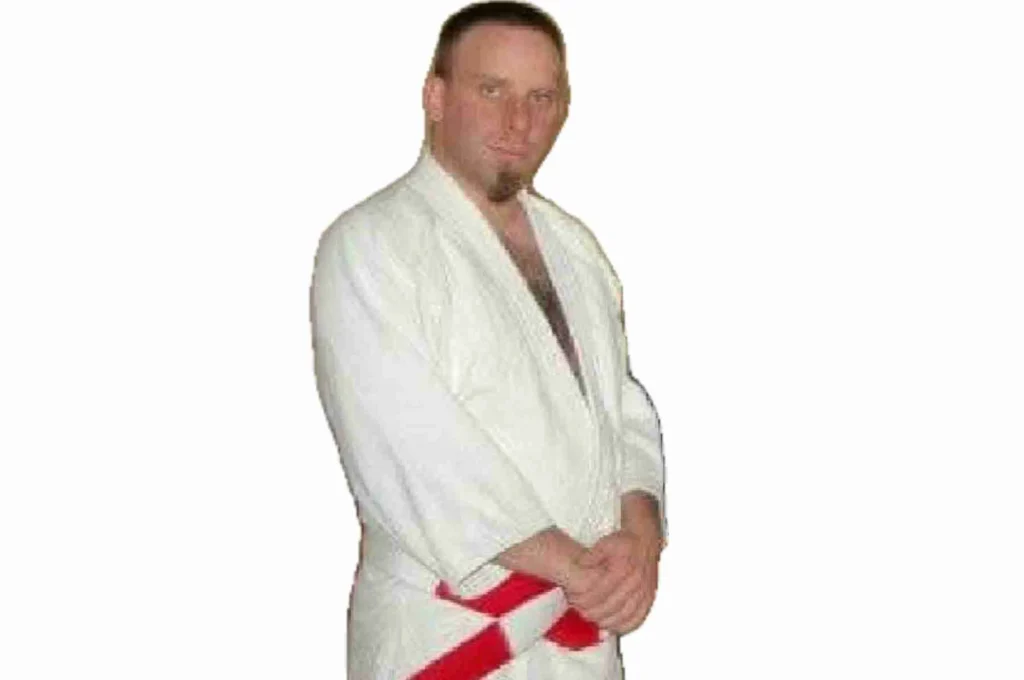
Shihan Ben Ledwick, founder of the British Kempo Society and Head of Kempo Ju Jitsu, has helped build a nationwide community dedicated to the development of skill, character and confidence.
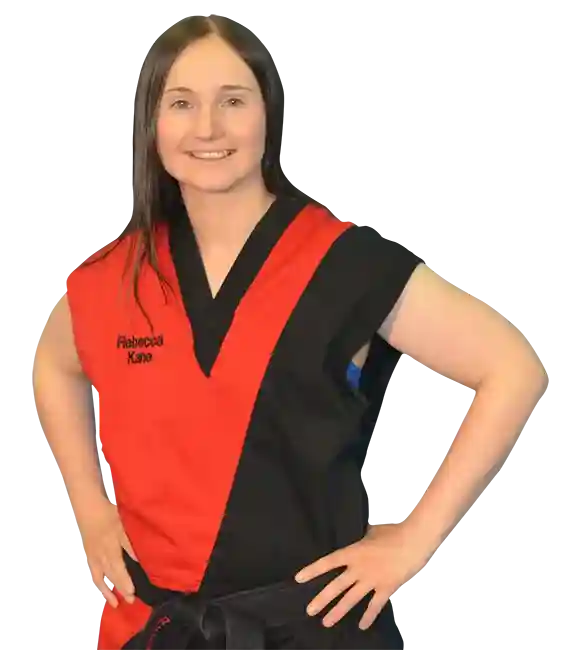
Sensei Rebecca Kane is a World Champion and Head of Weapons Training for the UK and Europe. She brings extensive experience in martial arts, kickboxing, weapons training and self-defence. Rebecca also offers online and in-person training through The Dancing Fighter, supporting women, children and communities through practical training and confidence-building programmes.
You can meet our instructors and learn more about the experience and specialisms within the Society.
Is martial arts suitable for your family?
Martial arts can be adapted for different ages and abilities.
Adults may want to improve fitness, learn self-defence or build confidence. Children may benefit from structured activity, positive discipline and a welcoming group environment. Families can also enjoy being part of a community that values respect, fairness and encouragement.
You do not have to choose between fitness and self-defence. You do not have to choose between kickboxing and Ju Jitsu. With the right coaching, your training can include elements of all three.
The most important step is finding a class where you feel comfortable asking questions and learning at your own pace.
Start your six-week journey
Six weeks will not turn you into a martial arts expert, and it is not meant to.
Six weeks can help you feel fitter, more focused and more comfortable in your own body. It can give you a clearer understanding of personal safety and introduce you to a community that wants you to succeed.
If you are interested in adult kickboxing classes, martial arts for kids, self-defence or Kempo Ju Jitsu, contact the British Kempo Society to learn more about training opportunities.
Take the first step. Read more, learn about our classes and contact us today.
Subscribe to our updates for news about training sessions, workshops, gradings and community events. We look forward to welcoming you to the British Kempo Society.