
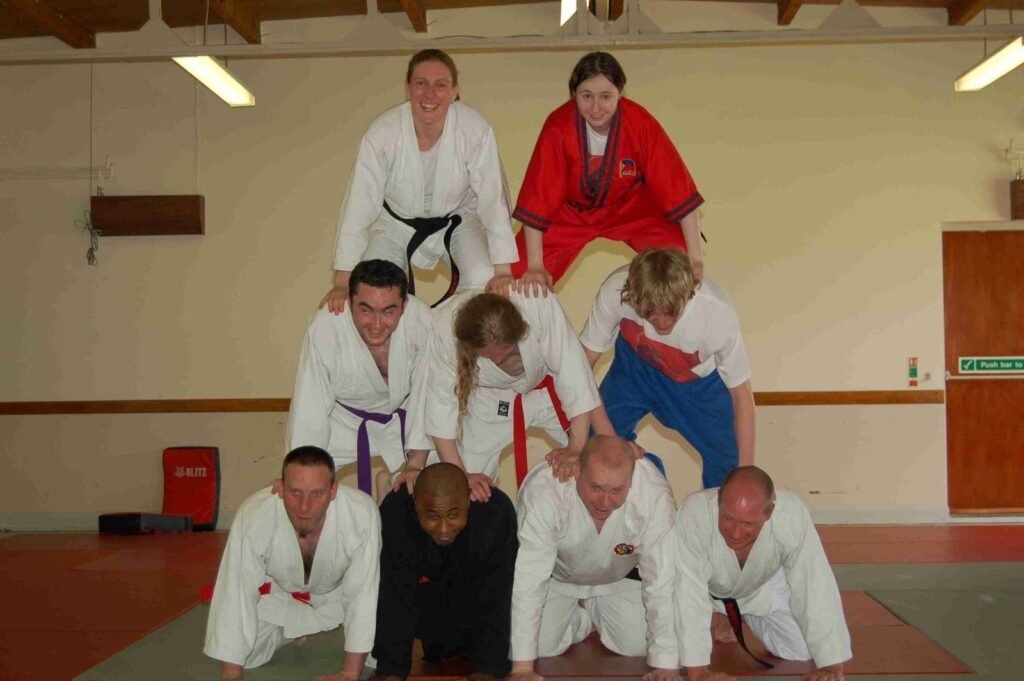
Autumn is a good time to build a training routine that keeps you moving, learning and connected. Find out how Kempo, Ju Jitsu and kickboxing can support your fitness and confidence, and what to look for in a class this season.
By Rebecca Kane, World Champion and Head of Weapons Training for the UK and Europe
15 October 2026
As the evenings get darker and colder, it can be tempting to swap your usual activities for the sofa. A regular martial arts class gives you a reason to get out, move your body and learn alongside a supportive community.
At the British Kempo Society, training brings together traditional martial arts values and practical, modern teaching. Whether you’re looking for martial arts for adults, martial arts for kids, or a friendly place to begin kickboxing, there are different ways to get started. You don’t need to be fit, flexible or experienced before your first class. You just need to be ready to learn at your own pace.
Choose a training path that suits you
Kempo and Ju Jitsu offer a broad martial arts education. Classes can include movement, striking, partner drills and self-defence principles, with students building skills step by step. Ju Jitsu classes also explore balance, control and ways to respond to close-contact situations. Your instructor can help you find a suitable starting point, whether you’re new or returning after a break.
Kickboxing training is another option if you want an energetic workout with a focus on stance, footwork, punches, kicks and pad work. A kickboxing class for beginners should introduce movements gradually, explain how to train safely and give you time to practise. You can ask about adult kickboxing classes if you want to improve your fitness, develop coordination or try something different from your usual workout.
If you’re searching for karate Huddersfield, it may also be worth exploring Kempo Ju Jitsu. Martial arts styles differ, but many share a focus on technique, discipline and respect. The Society includes an instructor based in Huddersfield; contact us to ask what training options may suit you.
Train for fitness, confidence and practical skills
A good class is more than a sequence of techniques. Warm-ups, footwork, pad drills and partner practice can help develop stamina, strength, coordination and balance. With regular attendance, you can build fitness while working towards clear goals, such as remembering a combination or feeling more comfortable with a new movement.
The NHS adult activity guidelines recommend regular weekly physical activity and strength-building exercise. Martial arts may contribute, depending on the length and intensity of your training. Start at a level that feels manageable and build up gradually.
Learning new skills can also give you a sense of progress. A friendly training partner, a helpful correction from your instructor and the shared effort of your class all matter. Confidence isn’t something a class can guarantee, but practising skills in a supportive environment can help you feel more capable over time.
Martial arts for kids and families
For children, classes can make movement fun while helping them practise focus, coordination and perseverance. Martial arts for kids should be age-appropriate, welcoming and carefully supervised. Ask about the club’s safeguarding arrangements, how contact is managed and whether sparring is suitable for your child’s age and experience.
The NHS guidance for children and young people recommends an average of at least 60 minutes of moderate or vigorous activity each day across the week for ages 5 to 18. A martial arts class can be one enjoyable part of an active routine.
Family members don’t have to choose the same class to share the experience. You can encourage each other, talk about what you’re learning and celebrate progress together.
Self-defence starts with awareness
As the nights draw in, it’s natural to think more about personal safety. Self-defence classes can help you practise awareness, boundaries, movement and simple responses in a structured setting. The aim is not to encourage confrontation or make anyone feel invulnerable. A responsible approach puts avoiding danger, creating space, seeking help and leaving safely first.
For children, self-defence learning should be calm and age-appropriate. It can support conversations about boundaries and trusted adults, while reinforcing that they should seek help rather than feel responsible for managing dangerous situations alone. Adults can practise communication and movement skills while building confidence through regular training.
Classroom practice is not a guarantee of what will happen in real life. Choose instructors who explain the limits of training and prioritise safety, respect and good judgement. For practical darker-evening habits, consider choosing a well-lit route, arranging a lift or walking with someone, and wearing something visible in poor light.
Meet the instructors behind your training
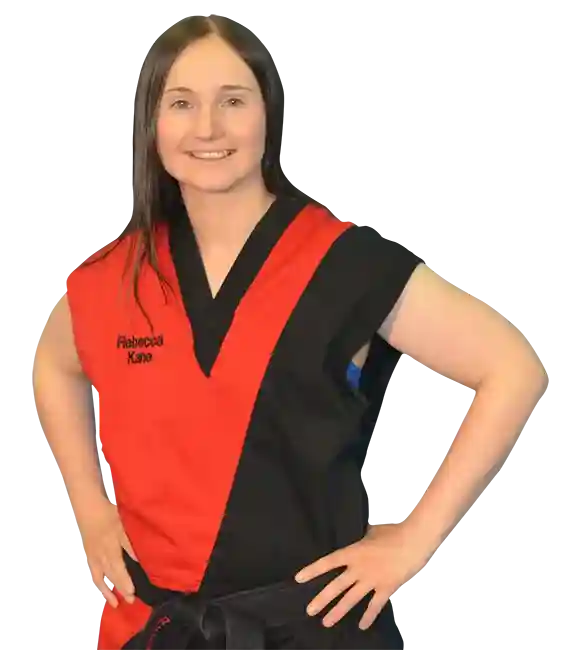
Rebecca Kane is a World Champion and Head of Weapons Training for the UK and Europe. Her martial arts background includes international competition and years of experience sharing skills with students and community groups. Rebecca offers online and in-person training. Learn more about Rebecca’s work.
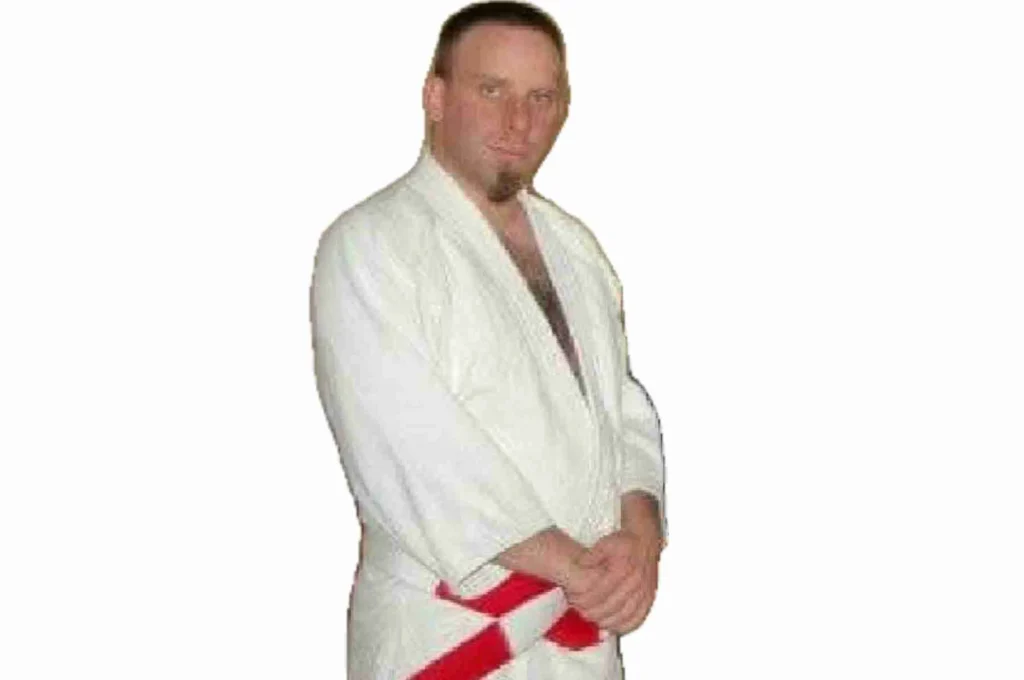
Shihan Ben Ledwick is Head of Kempo Ju Jitsu and a key founder of the Society. His work helps connect students and instructors with the practice and values of Kempo. Meet the wider team on our Instructors page, or find out more about the Society’s history and approach on our About page.
Make a simple autumn training plan
You don’t need an ambitious timetable to make a start. Try this:
- Pick one goal. It might be improving your fitness, learning basic self-defence skills or trying a new activity.
- Choose a class that fits your life. Ask about beginner options, age groups and what to bring.
- Start steadily. One regular session is a useful first step. Add more only when it feels right for you.
- Plan your journey. Check how you’ll get to and from class safely during darker evenings.
- Keep showing up. Progress comes from practice, patience and learning with others.
New students can also read our beginners kickboxing guide for a little more reassurance before their first session. If you’re part of another martial arts club, sharing ideas and learning from instructors across the community can make training richer for everyone.
Join the British Kempo Society community
From Kempo and Ju Jitsu to kickboxing and self-defence, the best training plan is one you can enjoy and keep building on. Find a class, learn alongside others and make this autumn a season for movement, confidence and connection.
Ready to learn more or try a class? Contact the British Kempo Society to ask about training and next steps. Stay connected with our wider community through the Society network for news about events, workshops and training opportunities.