Want a workout that keeps your body moving and your mind engaged? Kempo, kickboxing and Ju Jitsu bring strength, stamina, flexibility and balance together, with useful skills and a welcoming community built in.
Tuesday, 20 October 2026
Part of our Tuesday/Thursday blog series
By Penny, British Kempo Society blog team | Featuring Shihan Ben Ledwick, Head of Kempo Ju Jitsu, and Rebecca Kane, World Champion and Head of Weapons Training for the UK and Europe
Fitness that feels like learning, not just exercise
If the thought of another treadmill session or repeating the same set of exercises makes you lose interest, martial arts may offer a more engaging way to get active. A class gives you a goal beyond counting minutes: learn a combination, improve your footwork, or find a steadier stance.
That variety can make a difference. In a martial arts session, you might practise punches, kicks, movement and partner drills, with short conditioning activities along the way. You stay active while developing skills, and you share the effort with other people. It’s a workout, but it doesn’t have to feel like a routine you’re doing alone.
At the British Kempo Society, training brings people together around shared progress. You can explore more about our values and community on the About page.
One class, a full-body challenge
Kickboxing training for stamina and strength
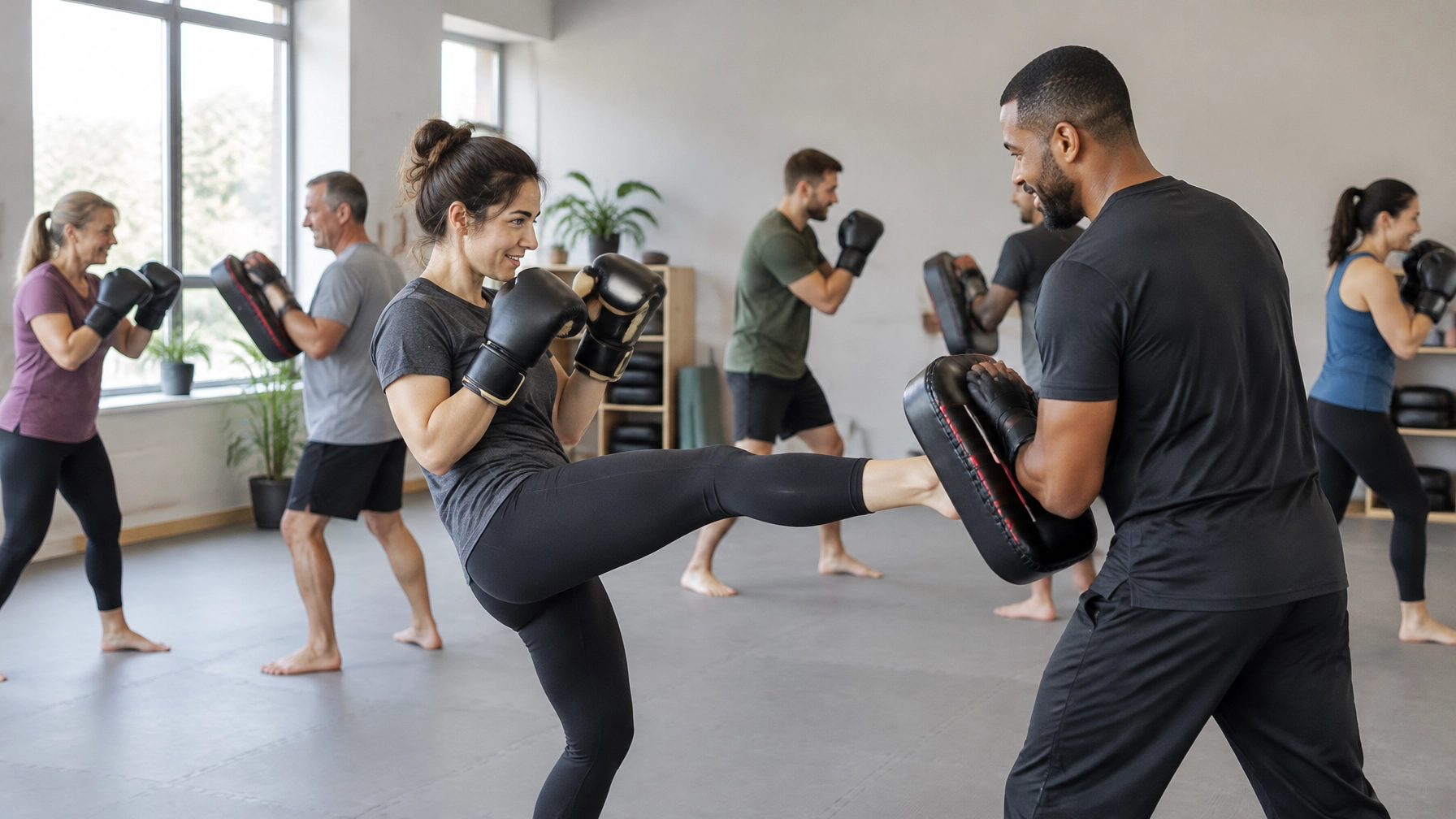
A typical kickboxing class can include shadowboxing, pad work, combinations, footwork and bodyweight conditioning. Punches and blocks work your arms and shoulders; kicks and stance changes call on your legs and hips. Your core helps you stay balanced and transfer movement from one part of your body to another.
The pace often changes throughout class. A focused round of technique might be followed by a faster combination drill, then a short break to reset and listen. Over time, that mix can help build cardiovascular fitness and muscular endurance.
A small study found improvements in several fitness measures after five weeks of kickboxing training. It’s a useful example of what regular practice may do, but results differ between people and depend on training, effort and starting point. Read the study.
Ju Jitsu for control, coordination and balance
Ju Jitsu drills bring a different kind of challenge. Practising posture, movement, grips and controlled partner techniques asks you to pay attention to your body and your training partner. You may use strength in a measured way, rather than simply pushing harder, while working on balance, coordination and control.

Kickboxing and Ju Jitsu complement one another: one gives you dynamic striking and footwork practice; the other develops close-range movement and control. In both, technique matters. The aim is not to muscle through every drill, but to practise well and improve step by step.
Flexibility and movement, built into practice
Kicks, turns, lunges and changes of stance move your hips and legs through different ranges. Punching combinations and defensive movement engage your shoulders and trunk. With good coaching and a suitable warm-up, these movements can help you practise mobility as part of your class.
You don’t need to arrive flexible. Work within a comfortable range and let your instructor know if a movement needs adapting. Progress is personal; your first goal can simply be to move with a little more control than last time.
Why it can be easier to stick with
A repetitive workout suits some people. Others enjoy having something new to learn. In martial arts, a basic combination can become a smoother combination, a more balanced kick or a better-timed response. That small, visible progress can keep training interesting.
You also get to practise with other people. A classmate holds the pads, shares a drill or offers encouragement; you return the favour. That sense of being part of a team helps make your training a community activity, not just another item on your to-do list.

This isn’t a promise that every session will feel easy, or that martial arts replaces every kind of exercise. It is a varied way to get moving, learn a skill and build fitness over time. If you enjoy it, turning up regularly can feel more rewarding than trying to force yourself through a workout you don’t like.
New to training? Start at your own pace
You don’t have to be fit before you start. In a suitable beginner session, your instructor can break movements into manageable steps, show you how to work at a comfortable pace and offer options when needed. Take breaks, ask questions and focus on technique before speed or power.
That applies whether you’re exploring beginners kickboxing, a kickboxing class for beginners, or Ju Jitsu classes. If you’re looking for martial arts for adults, or martial arts for kids, a welcoming club should help you understand what to expect and which class is right for you. Families and individuals can find out more by contacting us before they visit.
In Yorkshire, people searching online for karate Huddersfield may also want to explore the Kempo and Ju Jitsu options available locally. Styles and classes vary, so ask what’s taught, who leads the session and whether beginners can join.
Your workout comes with practical skills
Alongside the fitness benefits, training introduces movement and techniques associated with martial arts and self defense. You practise how to move, keep your balance and respond to a partner in a controlled setting. These skills are part of the training, not a separate promise of what will happen in every real-life situation.
For people interested in self defence classes, that’s an added reason to learn with a qualified instructor: the session can help you develop fitness while giving you a chance to practise practical skills safely. The workout and the learning go together.
Meet the instructors behind your training
Shihan Ben Ledwick, Head of Kempo Ju Jitsu
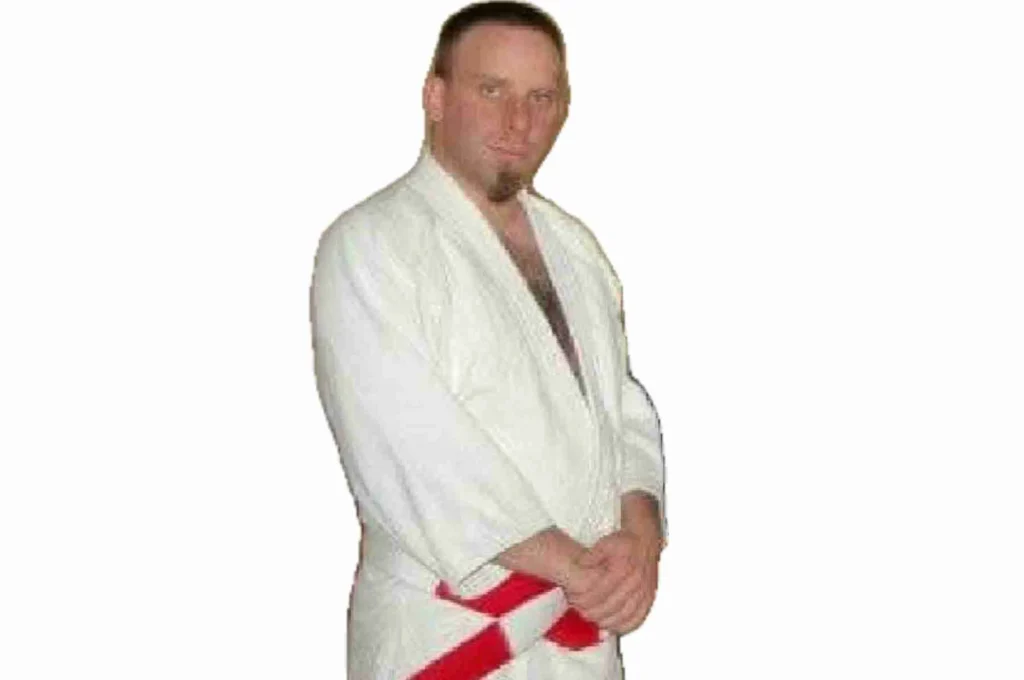
Shihan Ben Ledwick is an instructor with the British Kempo Society and Head of Kempo Ju Jitsu. His work supports a community of students and instructors learning and developing together. Visit our Instructors page to learn more about the people who guide our training.
Rebecca Kane, World Champion and Head of Weapons Training for the UK and Europe
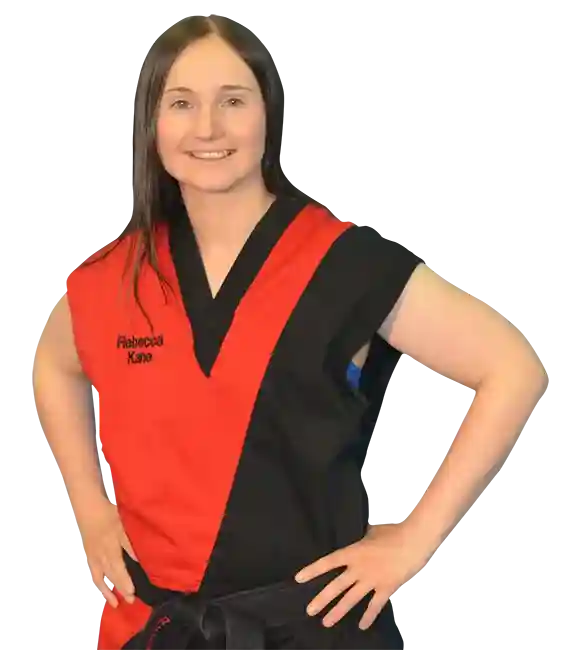
Rebecca Kane brings world-class experience to her work as a World Champion and Head of Weapons Training for the UK and Europe. She offers both online and in-person training. Learn more about her work at The Dancing Fighter.
Take your next step with the British Kempo Society
Whether you’re curious about adult kickboxing classes, want to try Kempo or Ju Jitsu, or are looking for a welcoming place for your family to train, you can start by asking questions. You don’t need to arrive at peak fitness, just bring a willingness to learn and work at your own pace.
Get in touch to ask about booking a class, follow the British Kempo Society on Instagram, and stay connected with our community for training news and updates. Your next workout could be the start of a skill you’ll keep building.