
Published 27 October 2026
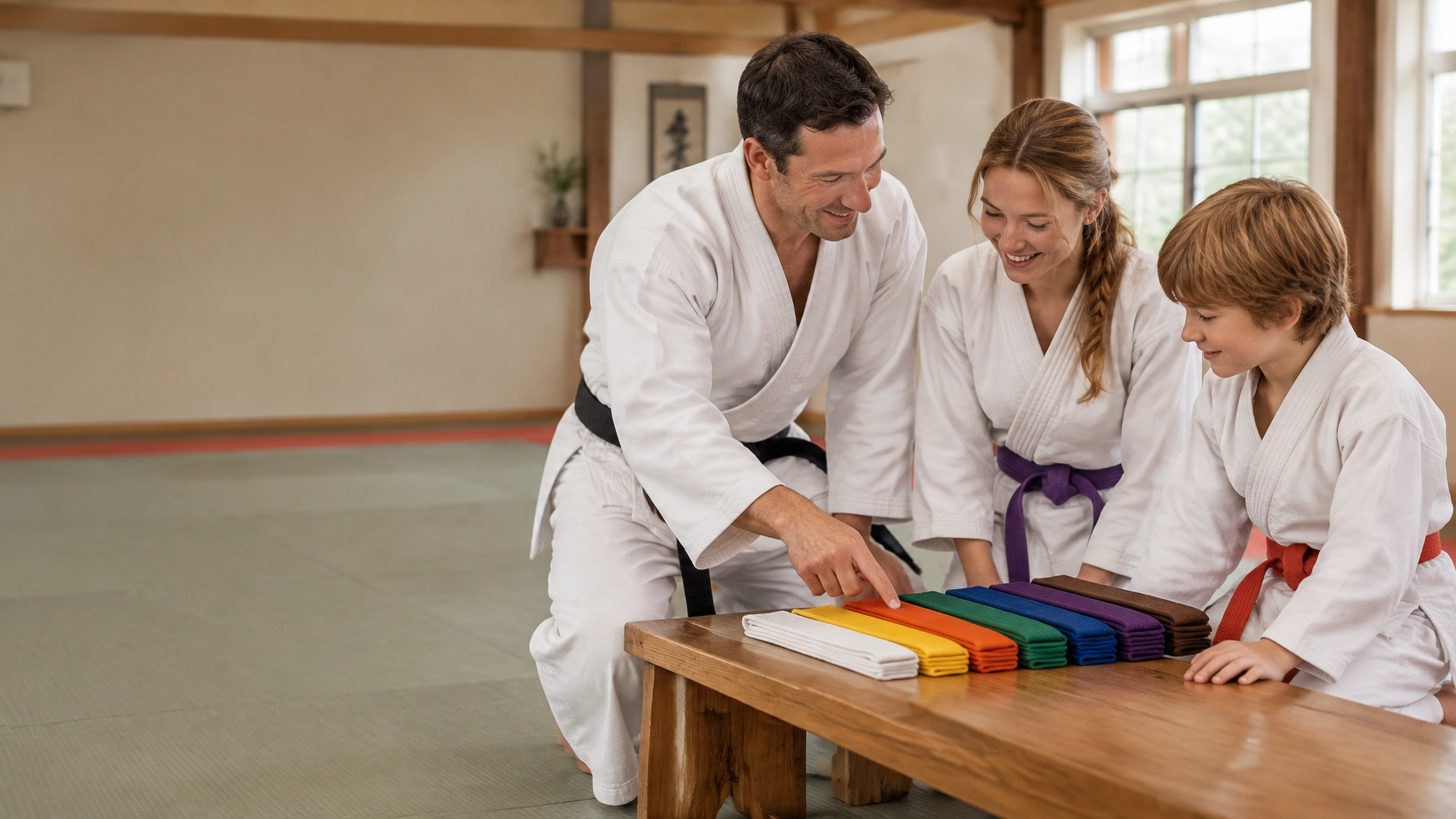
Preview: A belt is more than a new colour. With clear, achievable goals, every class can show you, and your child, how far you’ve come.
Training perspective from Shihan Ben Ledwick, Head of Kempo Ju Jitsu at the British Kempo Society, and Rebecca Kane, World Champion and Head of Weapons Training for the UK and Europe.
A belt is a marker, not the whole journey
Starting a martial art can feel like learning a new language. There are new movements, names and habits to remember. When you’re at the beginning, it may be hard to tell whether you’re improving.
That’s where gradings can help. Belts, stripes and other milestones make parts of your progress visible. They give you something to work towards and a moment to look back at what you can now do.
But a belt isn’t a shortcut or a measure of someone’s worth. It’s a marker along a longer journey of learning, practice and respect. Requirements vary between clubs and styles, and progress doesn’t look the same for everyone.
At the British Kempo Society, Shihan Ben Ledwick helps students build their Kempo Ju Jitsu skills step by step. The aim is not simply to reach the next colour. It’s to understand and practise the skills behind it.
Why small goals make progress easier to see
A long-term goal, such as preparing for your next grading, can be exciting. But if that’s the only target, it may feel far away, especially when you’re still getting used to a class.
Small goals bring the journey closer. They could be learning a sequence, remembering a stance, improving your balance or practising a technique with control. Each one gives you a clear next step.
For beginners, this can make it easier to notice wins that might otherwise pass by. You may not have a new belt yet, but perhaps you can now follow a warm-up without stopping, perform a movement more smoothly or feel more comfortable practising with a partner.
Those small improvements help turn regular attendance into a habit. They can also give your instructor a useful way to explain what you’ve learned and what to work on next.
Research supports the value of goal-setting and skill-focused coaching, although it doesn’t show that belts alone cause progress. A systematic review of goal motivation in physical education found positive links between mastery-focused goals and outcomes such as skill development and wellbeing. A randomised trial of a martial-arts-based programme also reported improved self-efficacy among secondary school students; it examined a wider programme, not belt grading by itself.

How to set goals that keep you moving
The most useful goals are clear, realistic and focused on something you can practise. Try choosing one at a time with your instructor.
Make it specific
“Get better at kickboxing” is hard to measure. “Practise my guard and return to stance after each combination” gives you something concrete to work on.
Keep it within reach
A goal should take effort, but it shouldn’t feel impossible. You might aim to remember a short sequence, improve your footwork or keep your hands in the right position during a drill.
Notice the win
After class, take a moment to name one thing that went well and one thing you want to practise next. A quick note on your phone, or a child’s training notebook, can help you see progress over time.
For an adult, that might be making a movement feel more natural. For a child, it could be listening carefully, showing control or trying again after getting something wrong. These wins matter even when there’s no grading on the horizon.
In a kickboxing class for beginners, for instance, a small target could be learning a basic combination with good balance. In ju jitsu classes, it might be remembering a sequence or practising a safe movement carefully. Your instructor can help choose a target that suits your experience.

Grading can help children build patience and resilience
For martial arts for kids, gradings can give a child a positive way to think about practice. They learn that a bigger achievement is built from smaller steps: listening, remembering, practising and trying again.
Parents can help by focusing on effort and learning rather than asking only, “Did you pass?” Try questions like:
- What felt easier today than last time?
- What did you keep practising?
- What would you like to work on before your next class?
If your child doesn’t receive a stripe or belt when expected, help them see it as feedback, not a verdict. Ask what they have already learned and what the next practice goal is. A supportive instructor can explain the grading requirements and help make the next step clear.
Shihan Ben Ledwick’s role as Head of Kempo Ju Jitsu at the British Kempo Society reflects the value of steady instruction and shared learning. In a welcoming class, students can learn from their instructors and encourage one another, at different ages and stages.

Adults benefit from visible milestones too
It’s easy to assume that belts and stripes matter most to children. But adults starting martial arts for adults can appreciate having clear goals as well.
You might be returning to exercise, trying something new or looking for practical skills. A grading pathway can help you see how regular practice adds up. It also gives your instructor a way to review what you’ve learned and suggest what to build next.
Classes can support fitness through movement, coordination and consistent practice. Learning techniques can also help you become more aware of distance, balance and how to respond calmly. These are useful parts of training in martial arts and self defense, though no class can promise that every situation will be predictable.
If you’re searching for beginners kickboxing, adult kickboxing classes or self defence classes, look for an environment where the instructor explains how you can progress. If you’ve been searching for karate Huddersfield, you may also want to explore the British Kempo Society’s Kempo Ju Jitsu and kickboxing training. The Society’s About page shares its background and approach.
Learn from instructors who keep developing
Progress is not only about the student. Good instruction helps make the next step understandable and keeps training connected to a wider martial arts community.
Shihan Ben Ledwick is the British Kempo Society’s Head of Kempo Ju Jitsu. You can learn more about him and the wider team on the Instructors page.
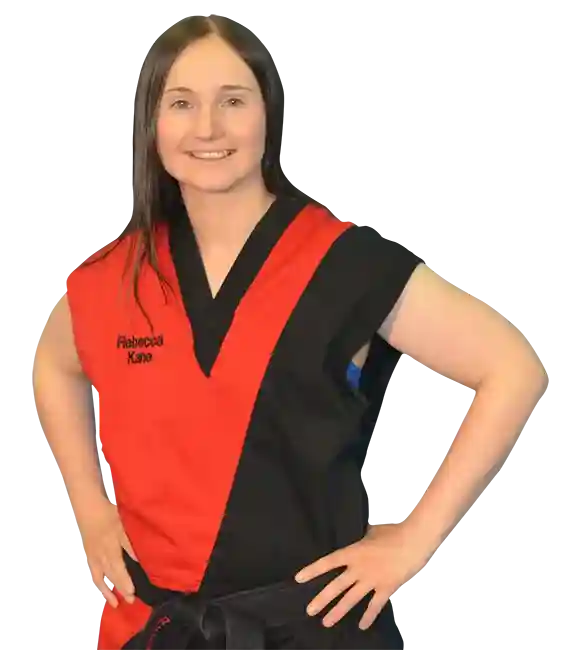
Rebecca Kane is a World Champion and Head of Weapons Training for the UK and Europe. She offers online and in-person training, bringing her experience to students in different settings. Learn more about Rebecca.
Keep the next step simple
A grading can give your training a direction. Small goals make the route easier to follow. And a supportive class gives you people to learn alongside, whether you’re starting kickboxing, exploring Kempo Ju Jitsu or finding a new activity for your child.
You don’t need to know your whole journey before you begin. Choose one class, ask what a beginner can work towards and take it one step at a time.
Contact the British Kempo Society to ask about joining a class and sign up for updates on training and events. Stay connected, celebrate each small win and keep learning with the community.