Your first class does not need to be perfect. It just needs to be your first step.
Updated 22 September 2026
Written by Rebecca Kane, World Champion and Head of Weapons Training for the UK and Europe, with guidance from Shihan Ben Ledwick, Head of Kempo Ju Jitsu.
Starting martial arts can feel like a big decision. You may be wondering whether you are fit enough, whether you will know what to do, or whether everyone else will already be experienced.
At British Kempo Society, beginners are welcome. Whether you are interested in Kempo Ju Jitsu, practical self-defence, kickboxing training or martial arts for your child, your first class is designed to help you feel comfortable, supported and ready to learn.
What your first class actually feels like
Your first class will usually be friendly, structured and active. You will not be expected to arrive knowing how to punch, kick, fall or bow. Your instructor will explain what is happening, and other students will help you settle into the group.
A typical session may include:
- A gentle warm-up
- Basic footwork and movement
- Simple punches, kicks, blocks and defensive positions
- Pad work or controlled partner exercises
- Self-defence drills
- Stretching and a relaxed finish
You may practise the same movement several times. This repetition is important. It helps your body become familiar with the technique, while your instructor checks your posture, balance and control.
You are also unlikely to be thrown into hard sparring on your first visit. Beginners work at a sensible pace, with safety and good technique taking priority over power.
There may be some traditional Kempo etiquette, such as lining up, bowing or addressing your instructor as “Sensei”. You do not need to remember everything straight away. Simply watch, listen and copy. You will learn the customs naturally as you become part of the community.
What should you bring?
You do not need to buy specialist equipment before your first class. Comfortable gym clothing is usually enough:
- A T-shirt or sports top
- Tracksuit bottoms, leggings or shorts
- A bottle of water
- A small towel
- Clean bare feet for mat work
Remove jewellery before training, and keep fingernails and toenails short. If you have an injury, medical condition or concern about exercise, tell the instructor before the class starts.
Arriving around 10 minutes early gives you time to introduce yourself, ask questions and get comfortable. Let the instructor know that you are new. This means they can explain the session and pair you with someone who will support you.
If you decide to continue, your instructor can advise you about a uniform, gloves, pads and any other equipment you may need.
Starting as an adult beginner
Many adults arrive with the same concerns: “I am not fit enough”, “I am too old to start”, or “I have never done anything like this before.”
You do not need to be in peak condition to begin. Fitness develops through regular training. Your first goal is not to keep up with the most experienced student. Your goal is to learn safely, move well and return for the next class.
Martial arts for adults can offer a practical way to improve your fitness, coordination and strength. You will use your whole body, raise your heart rate and build physical confidence over time. You will also learn how to stay calm, create space and respond more effectively under pressure.
The mental benefits matter too. Completing a difficult drill, remembering a combination or attending your first class when you felt nervous can all build confidence. Progress is not only measured by belts or grades. It is also seen in how you carry yourself outside the dojo.
Our About page explains more about the British Kempo Society’s history, values and commitment to creating a safe, inclusive training environment.
Bringing your child to martial arts
For a parent, the first class can be just as important for you as it is for your child. You may want to know whether the environment is safe, whether the instructor understands children and whether your child will enjoy the experience.
A good children’s class should be active, positive and well organised. Your child may learn basic movement, striking, blocking, balance and simple self-defence skills through age-appropriate games and drills. They will also practise listening, taking turns and working respectfully with other members of the group.
Martial arts for kids can support:
- Confidence and communication
- Focus and self-discipline
- Coordination and general fitness
- Respect for others
- The ability to manage nerves and frustration
- Awareness of personal space and safety
Children do not need to be naturally sporty or outgoing. Some enjoy the social side immediately, while others take a few sessions to feel comfortable. Both are normal.
As a parent, encourage your child without putting pressure on them to be perfect. Ask what they enjoyed, rather than only asking whether they won. Martial arts is a long-term journey, and the strongest progress often comes from regular attendance and a supportive family.
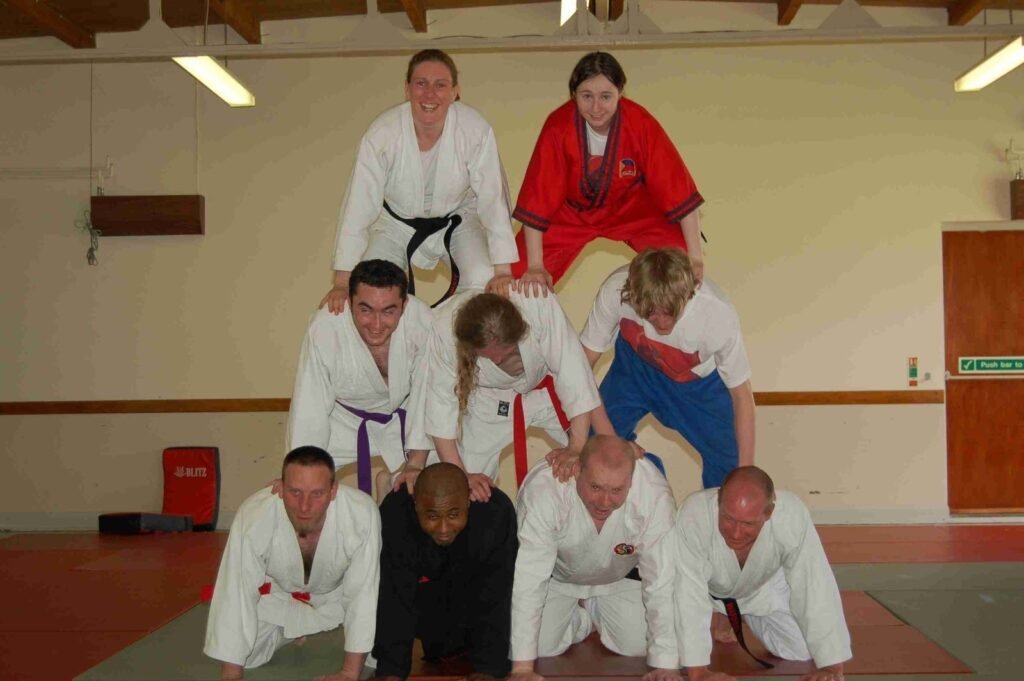
The British Kempo Society brings together a community of instructors and students with different backgrounds and experience levels. That shared community helps new families feel that they belong from the beginning.
If your main goal is practical self-defence
You may not be interested in competitions, grading or martial arts traditions. Perhaps you simply want to feel safer and more prepared in everyday life.
That is a valid reason to begin.
Self-defence classes should teach more than impressive techniques. You should learn awareness, positioning, boundaries, communication and how to avoid unnecessary confrontation. Physical techniques are part of the training, but they are not the only part.
In a beginner session, you may practise how to:
- Stand in a balanced, protected position
- Move away from pressure safely
- Use your voice and clear boundaries
- Recognise distance and potential danger
- Respond to simple grabs, pushes or strikes
- Regain your balance and create space
Training is controlled and progressive. You are not expected to be aggressive, and you should never feel pressured to do something beyond your ability.
Kempo Ju Jitsu is particularly useful for people who want a broad approach to martial arts and self defense. Training can include striking, escapes, holds, throws, movement and control. The aim is to develop practical skill while keeping awareness, restraint and personal safety at the centre.
Where kickboxing training fits in
Kickboxing training is a great choice if you want an energetic workout, sharper striking skills and the confidence that comes from practising combinations.
A kickboxing class for beginners may include stance, guard, footwork, punches, kicks and pad combinations. You will normally start slowly, learning how to move with control before increasing speed or intensity.
Beginners kickboxing can help improve:
- Cardiovascular fitness
- Strength and stamina
- Timing and coordination
- Balance and mobility
- Focus and stress management
Our adult kickboxing classes are suitable for people who want fitness as well as martial arts skills. You can train at your own level, take breaks when needed and build up gradually.
If you have been searching online for karate Huddersfield, kickboxing or ju jitsu classes, it is worth looking beyond the name of a style. The instructor, atmosphere and teaching approach are just as important. You need a class where you feel safe asking questions and motivated to keep learning.
Learn from experienced instructors
British Kempo Society students benefit from instructors with experience across Kempo Ju Jitsu, kickboxing, Thai boxing, Filipino martial arts and other disciplines.
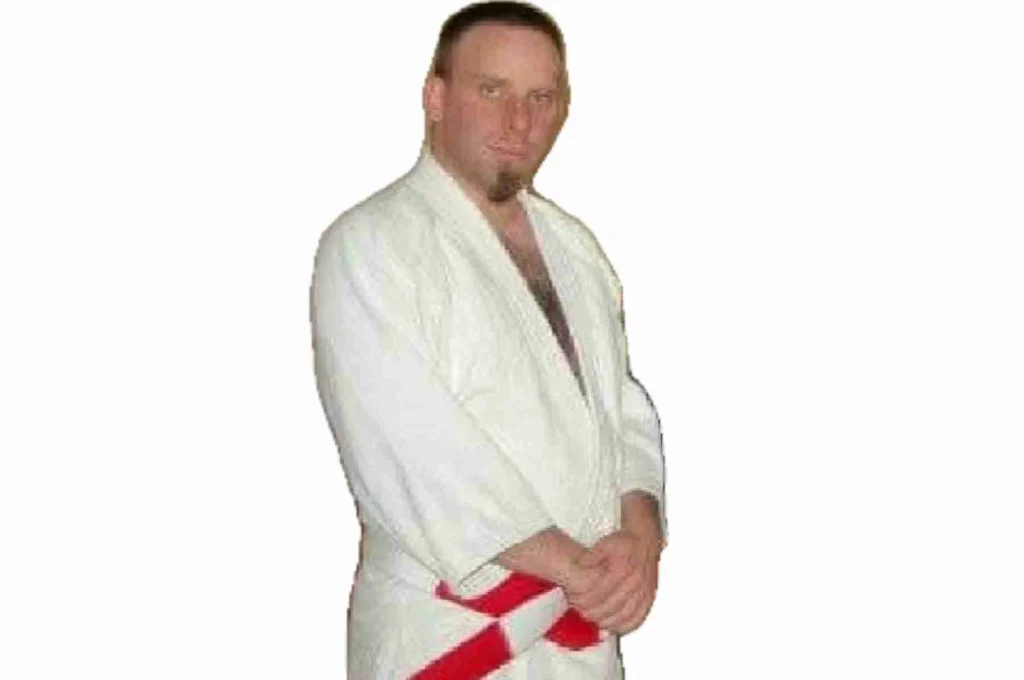
Shihan Ben Ledwick is Head of Kempo Ju Jitsu, helping guide the development of the art and its students across the Society.
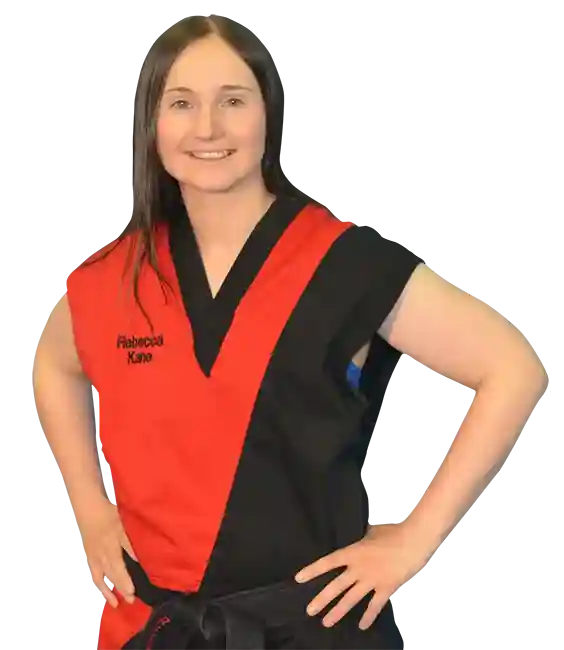
Rebecca Kane is a World Champion and Head of Weapons Training for the UK and Europe. Through Rebecca’s personal site, The Dancing Fighter, she offers online and in-person training, including work focused on confidence, resilience and self-defence for women and children.
You can meet more of the team and learn about their backgrounds on our Instructors page.
Your first step is simply to come along
You do not need to know which belt you should wear, which technique you want to learn or whether you will enjoy martial arts before you try a class.
Come with an open mind. Wear comfortable clothing. Tell your instructor that you are new. Give yourself permission to make mistakes.
Your first class may leave you feeling energised, challenged or pleasantly surprised. You may discover that the person who seemed most confident was once a beginner too. Over time, regular training can improve your fitness, confidence and self-defence awareness while connecting you with a welcoming martial arts community.
Ready to find out more? Contact British Kempo Society to ask about training, suitable classes and your next step.
Join the community, learn at your own pace and keep building your skills. Subscribe to the British Kempo Society network for updates about training sessions, events and opportunities to learn from our instructors.